

For years it appeared that the auto world would remain unchanged until the foreseeable future. The forced-induction-small-engine trend did appear before, then engines got bigger and sounded better again. And this, it seemed, was how it would remain because business was stable. Then suddenly, you have the boom of the next generation of fuel.
Think about it this way, for a long time the human race was doing fine without technology and media, then suddenly it is used by every individual at this moment. I’m trying to grasp the notion that one day, we will stop using it.
Maybe this can also be applied to car companies as an analogy. I say this because there was a recent debacle involving a startup that promised an electric pickup and ended up closing shop and being at risk of having their production plant sold before they reach production!
The company which originates from Ohio has a story that is of great interest. Before I get into it, this company is just an example of where the auto industry is going and there is a EV startup from South Africa that is slated to produce a pickup with figures that are, let’s say, bold. And you will see where I’m going with this.
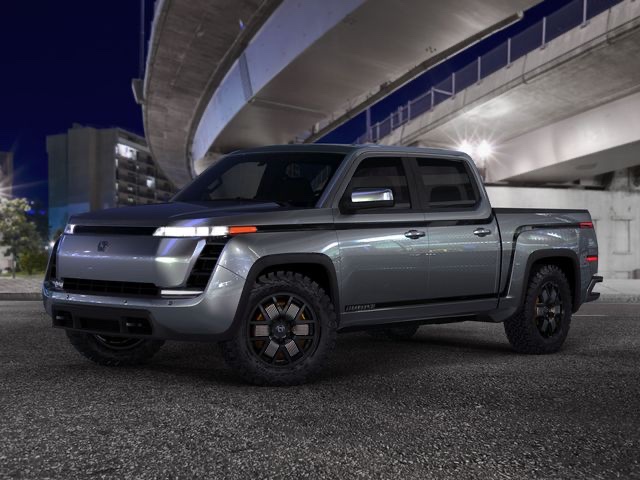
Lordstown Motors was founded in 2018. Shortly after the company was founded, General Motors made a healthy investment to the company. The idea was that GM would have a steak in the company that can release an electric pickup before Tesla could. I’m being observant, and what I gather from being observant is that: it was now the time for Lordstown to walk the walk.
The Endurance is a pickup truck with 600 hp, a range of more than 250 miles, and it’s motors are located in the wheels. Those are some bold numbers to claim from a startup that’s not made a car before. It’s all promising. The truck looks good and is getting publicity.
And from here, the story for the company seems to tumble. Reportedly, they are being accused of faking pre-orders in order to garner investors and funds. While they manage to put all these fires out, the delays and setbacks lead to financial strain and uncertainty as to whether they can continue. The CEOs and CFOs have stepped down.
The unfolding of the events for Lordstown are a familiar pattern of tech startups that create a technology, overpromise that it will be a game-changer and subsequent turmoil. This is a recurring trend and the pandemic has accelerated the closure of many startups that can’t keep afloat.
It appears that this will not be the last company that builds vehicles to encounter these problems. With the death of internal combustion, the selling point of a vehicle dramatically changes. The customer’s requirements evolve too, there is much more of an emphasis on having tech gimmicks in vehicles. The computers and software is as advanced as it has ever been. Cars are more integrated to digital technology. This means that the organizations that are heavily involved with IT systems, if executed correctly, have the resources & capacities to build a production ready EV. It brings in new businesses that are more focused on technology and data to develop road cars. Gone will be the days of competing in motorsport to keep the organization afloat. It’s just the effect of the change that is happening around.
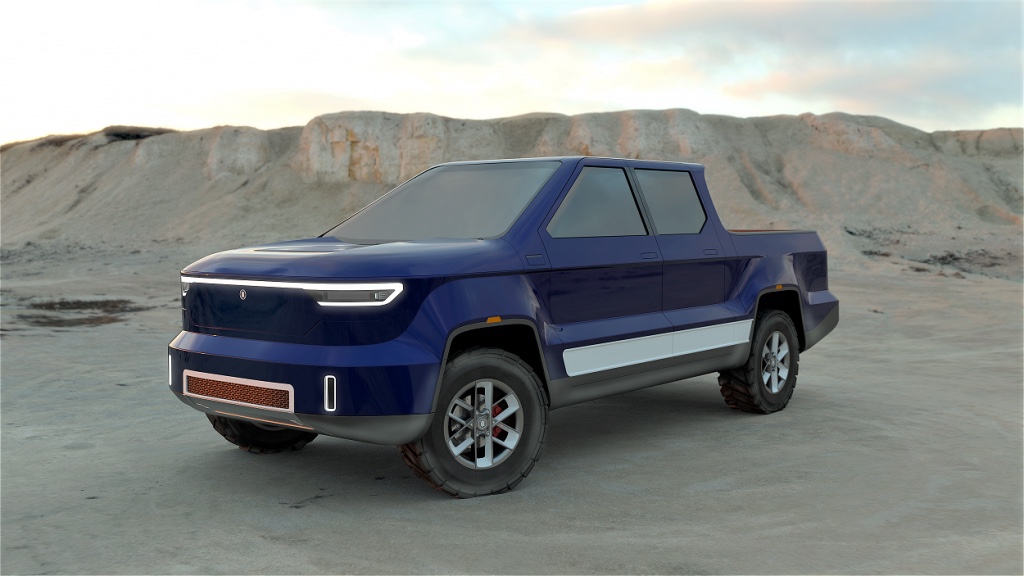
Earlier in this piece I made mention of a South African EV manufacturer that are to reveal their upcoming model. If you would like to know more about this car follow this link. Their EV pickup, called the M1B is planned to be propelled by electric motors on the axles. Power is rated to be 670hp, and a range of 400Km. The founder has already had his doubters I’m certain, I just mention this manufacturer because I am rooting for it to succeed. It would make me very proud to see the Mazibuko succeed. However I also can’t seem to shake the concern that inhibits me for the company because of how so many have failed to get the real product out. Based on what happened to the Joule, we do not have the greatest track record of producing an electric vehicle.
That’s what the future potentially holds. You don’t have to love cars to make them. I can see one of the problems is that for many of these companies, building an EV will be an aimless venture. Like many appliances that bear names of organizations that are non existent, this is the future we’re headed towards.
What do you think?
 unhealthycarobsession.car.blog