
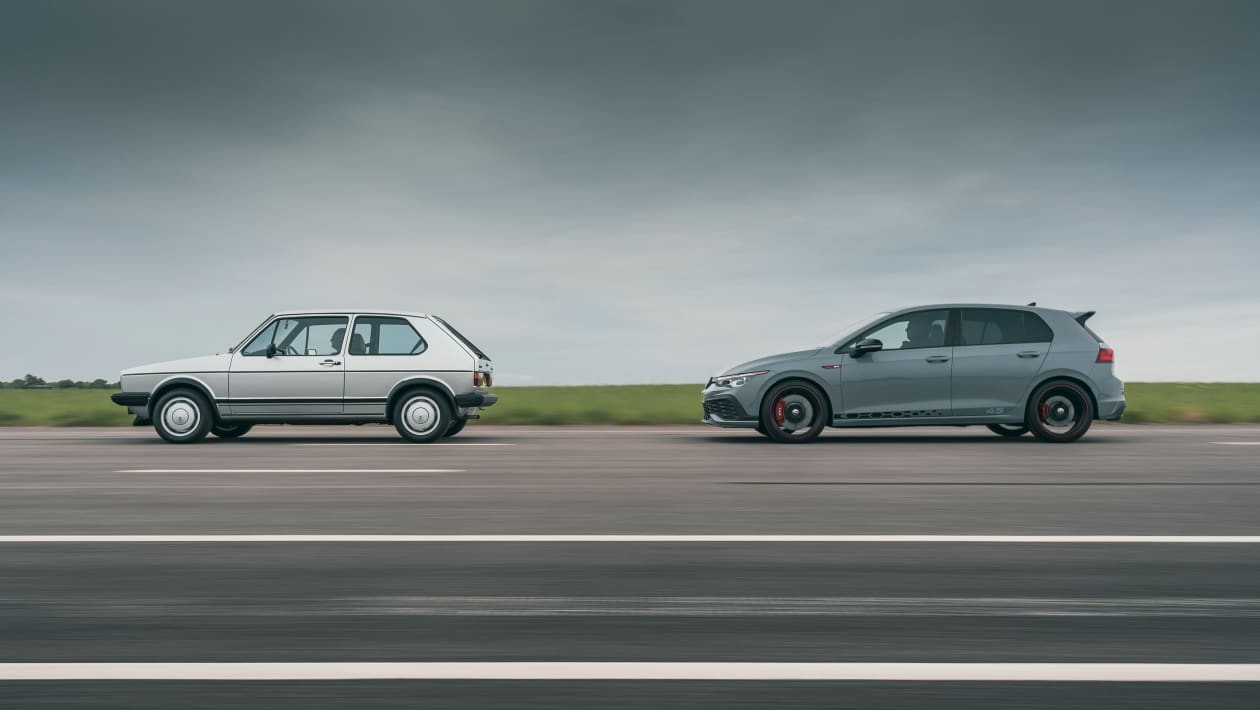
Hot hatchbacks have been considered the saving grace for a lot of consumers, since they offered the same level of performance as compared to sportscars, but at a fraction of the price with added practicality. However today’s hot hatchbacks have evolved and become unrecognisable from their ancestors in relation to a change in philosophy. Does it mean that modern hot-hatchbacks have lost their roots? Let’s find out.
Before we answer the million Rand question, it’s best to provide a brief history lesson of the hot-hatchback in order to understand its evolution clearly.
1. Who’s the original?

Image made by the UCO media team, which describes the actual original hot Hatchback.
It is public knowledge that the 1976 MK1 Volkswagen Golf GTI is the daddy of hot hatchbacks, but that is not the case. There are a few cars that contend for the title of first hot hatchback, one of them is a technicality but still considered a hot hatch in my opinion.
Mini Cooper
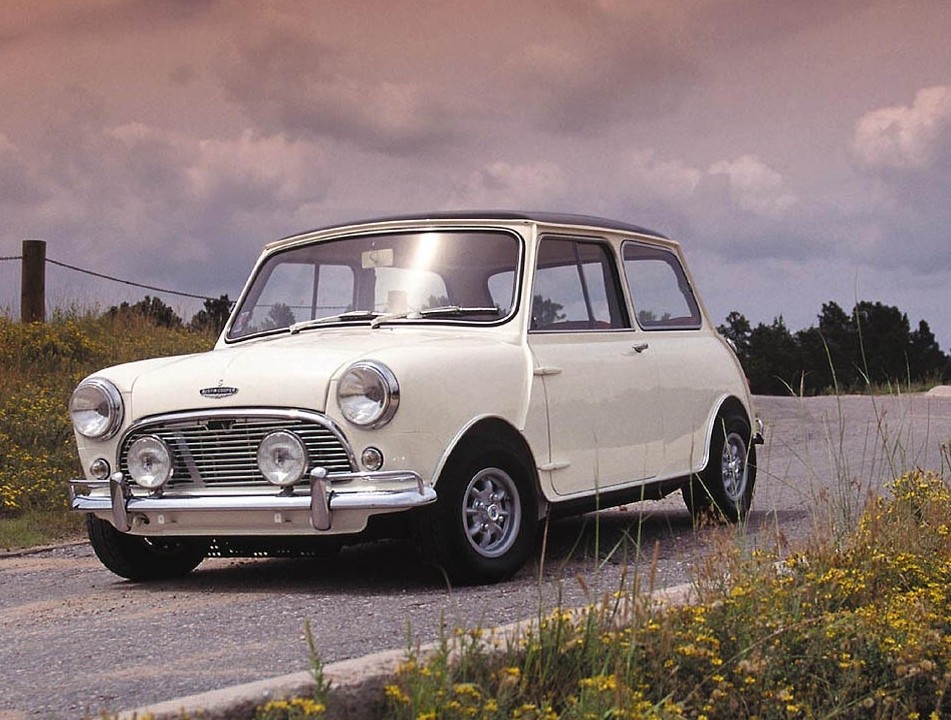
The original Austin Mini (1959) was special for a couple of reasons, firstly it revolutionised drivetrain assembly, where the engine is placed transversely (horizontally) in order to create more space for passengers while retaining its compact size. A vast majority of cars on sale today have adopted this layout including hot-hatchbacks.
Secondly there was a performance version called the Mini Cooper (1961), it had a larger engine, brakes and a close-ratio manual transmission. It produced 55HP, 20HP more than the normal Mini, also it participated and successfully won a lot of races, from Rallying to Touring Car Championships.
The original Mini Cooper serves as the blueprint for a hot-hatchback, however it is missing one key criteria, which is not having a rear hatch (3rd door).
Simca 1100 TI and Renault 5 Alpine (Gordini)
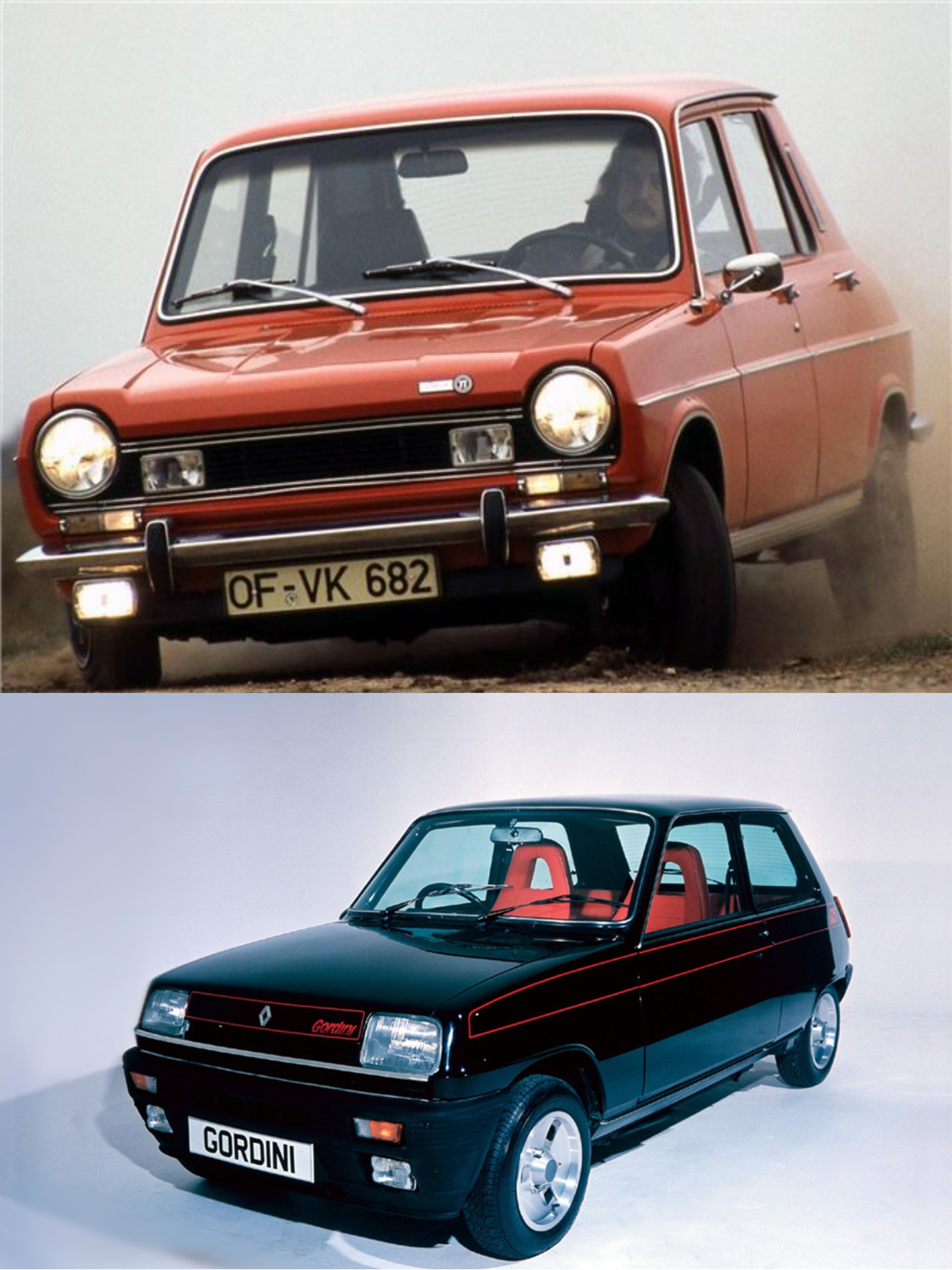
These 2 hatches were introduced years and months earlier than the GTI respectively, and all of them are pure hot hatchbacks. The first official hot hatch came from a deceased French brand called Simca, the brand usually manufactures regular economy cars up until 1974 when they introduced the sporty 1100 TI. It followed the basic hot hatch recipe of more power, improved driving dynamics and a much bolder exterior design. Back in its day it produced 82HP and it had an official 0-100km/h time of 12 seconds.
Another one is also French but more established. Renault has been making cars for years, which appealed to both regular consumers and enthusiasts. They arguably kick-started their fixation on making fast hatchbacks thanks to the introduction of the Renault 5 Alpine Gordini. The Renault 5 on its own is a fuel efficient supermini catered to the masses, until their sub-division (Alpine) took matters into their own hands by creating a hotter version. It was introduced in 1976 just a couple of months earlier than the introduction of the Golf GTI. It also followed the golden recipe of hot hatches through means of performance (100HP and 0-100km/h in 10 seconds) and aesthetic enhancements.
How come the MK1 Golf GTI is still revered as the original hot hatchback? Simple, Volkswagen is a powerful and profitable brand, they have a significant market share globally, which allowed the GTI to spread to multiple buyers. The MK1 Golf GTI didn’t invent the hot hatchback, it popularised it.
2. Technical Innovation
After the success and popularity of the MK1 Golf GTI, other manufacturers decided to capitalise on this segment by bringing their own contemporaries. Increased competition resulted in great technological breakthroughs which made hot hatches faster, safer, economical and fun.
Renault 5 Turbo
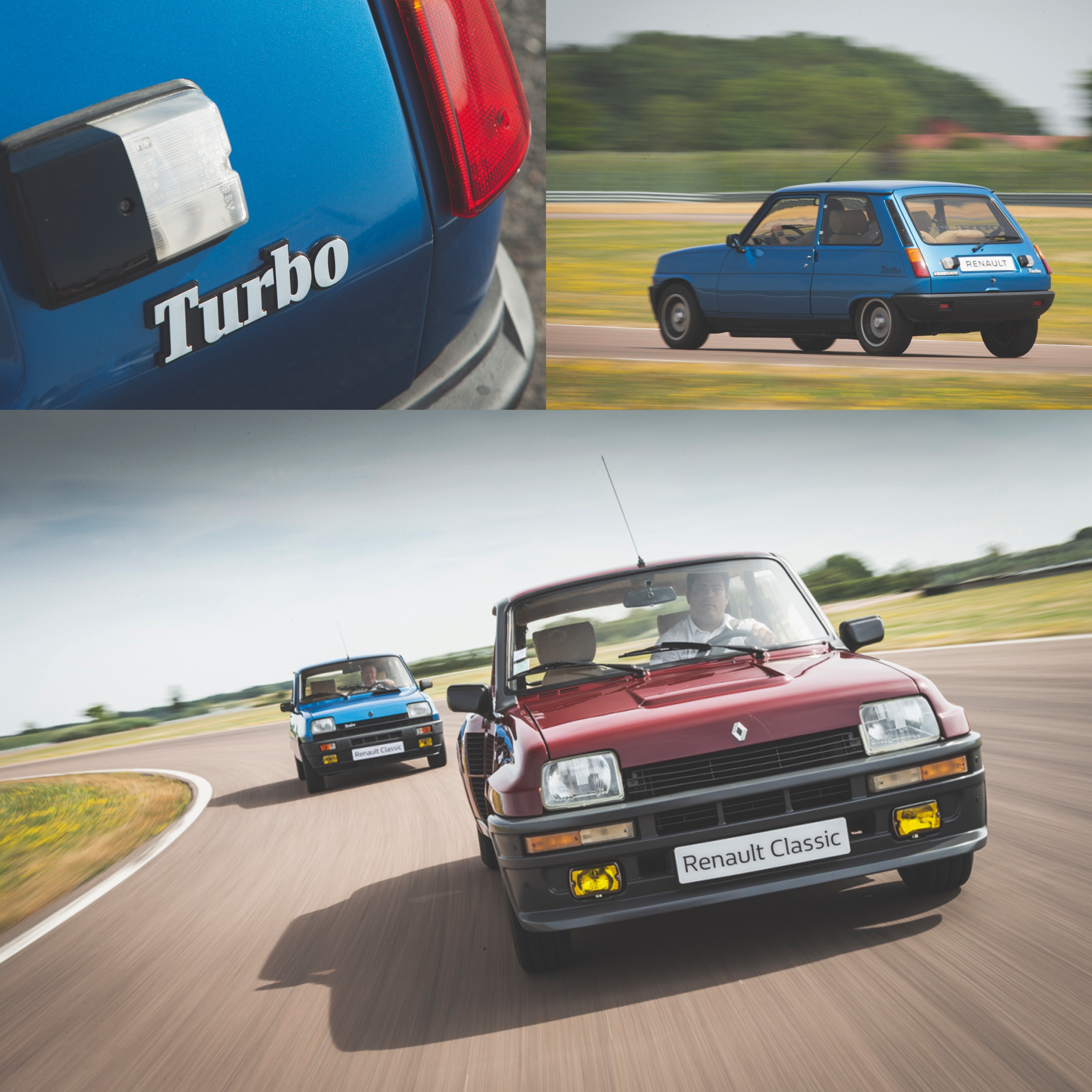
Interestingly Renault is the one that kick-started the turbo revolution for hot hatchbacks thanks to the 5 Turbo. There are two versions, the mid-engine homologation special (5 Turbo 1980 & Turbo II 1982) and the regular version (Gordini Turbo 1982 & GT Turbo 1985). The former was built to meet homologation requirements set by Group B rally officials, whilst the latter was built to keep up with the hot hatchback segment competition. Personally I’d prefer the mid-engine Renault 5 because it looks cooler.
Ford Escort RS Turbo
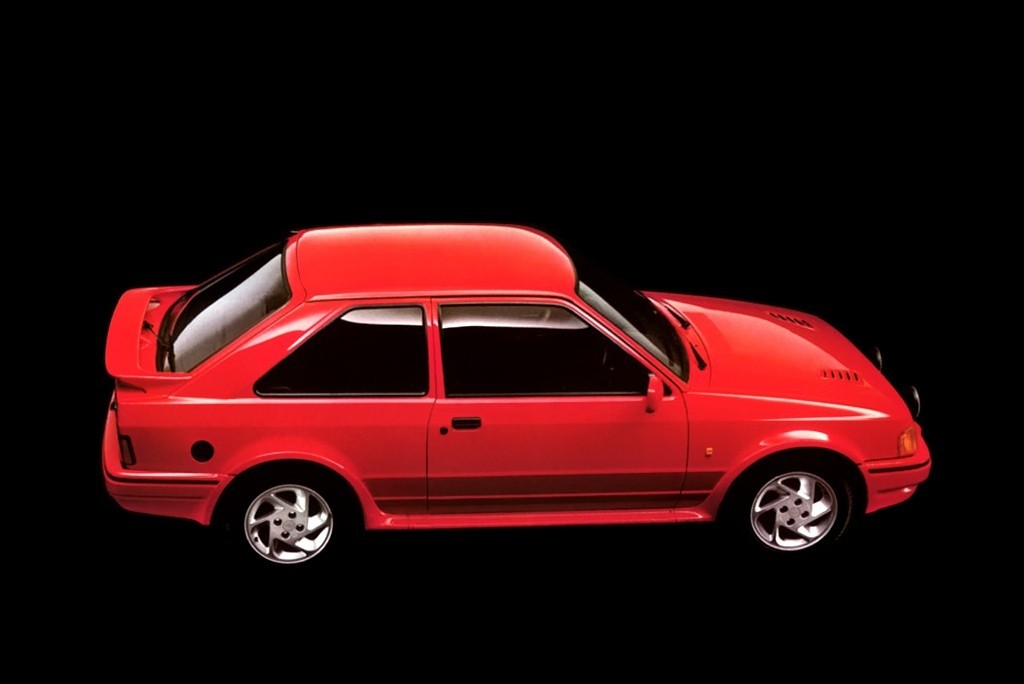
Ford has this Midas touch of turning almost everything into gold, this car is no exception. The Escort overall was one of Ford’s bestselling vehicles of all time, and one of the longest running vehicles Ford has ever produced (1978-1999). Throughout its lifespan it had the performance variant called the RS. All Escort RS’s have their unique reasons as to why they’re so special. This particular one is the 1985 Escort RS Turbo is so special because it was the first production hot hatch to come with a mechanical Viscous-coupling front LSD (Limited Slip Differential). From Ford’s perspective I understood why it’s there in the first place, Turbochargers back then weren’t sophisticated, so all the lag and power surge (130HP/180NM) put on the front wheels without any form of assistance is a recipe for disaster (Google: Torque Steer).
Lancia Delta Integrale HF
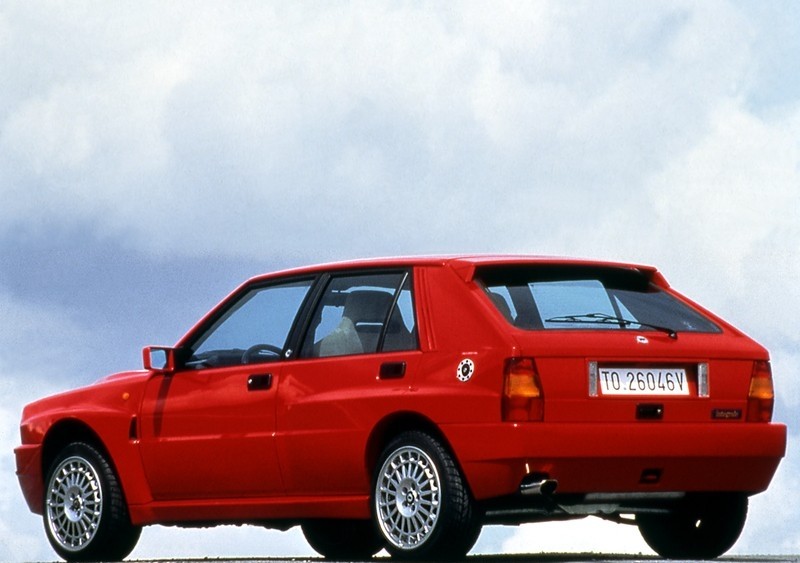
Lancia as a brand made extraordinary vehicles throughout its existence, one of the most notable is the Delta. The Delta (1979) originally was a run of the mill regular hatchback for the masses, until the influence of rallying (specifically Group A&B) made it the monster it came to be.
The car was originally dubbed the “Delta HF 4WD Turbo (1986)” to meet the Group A homologation requirements set by officials. However the most memorable was the “Intergrale (1989)”. It is the first hot hatchback to incorporate 4WD. The VW Golf R and Toyota Yaris GR could trace its lineage back to it, and it can still keep up with a few modern hot hatchbacks (215 HP 0-100Km/h in 6.4 seconds).
Honda Civic
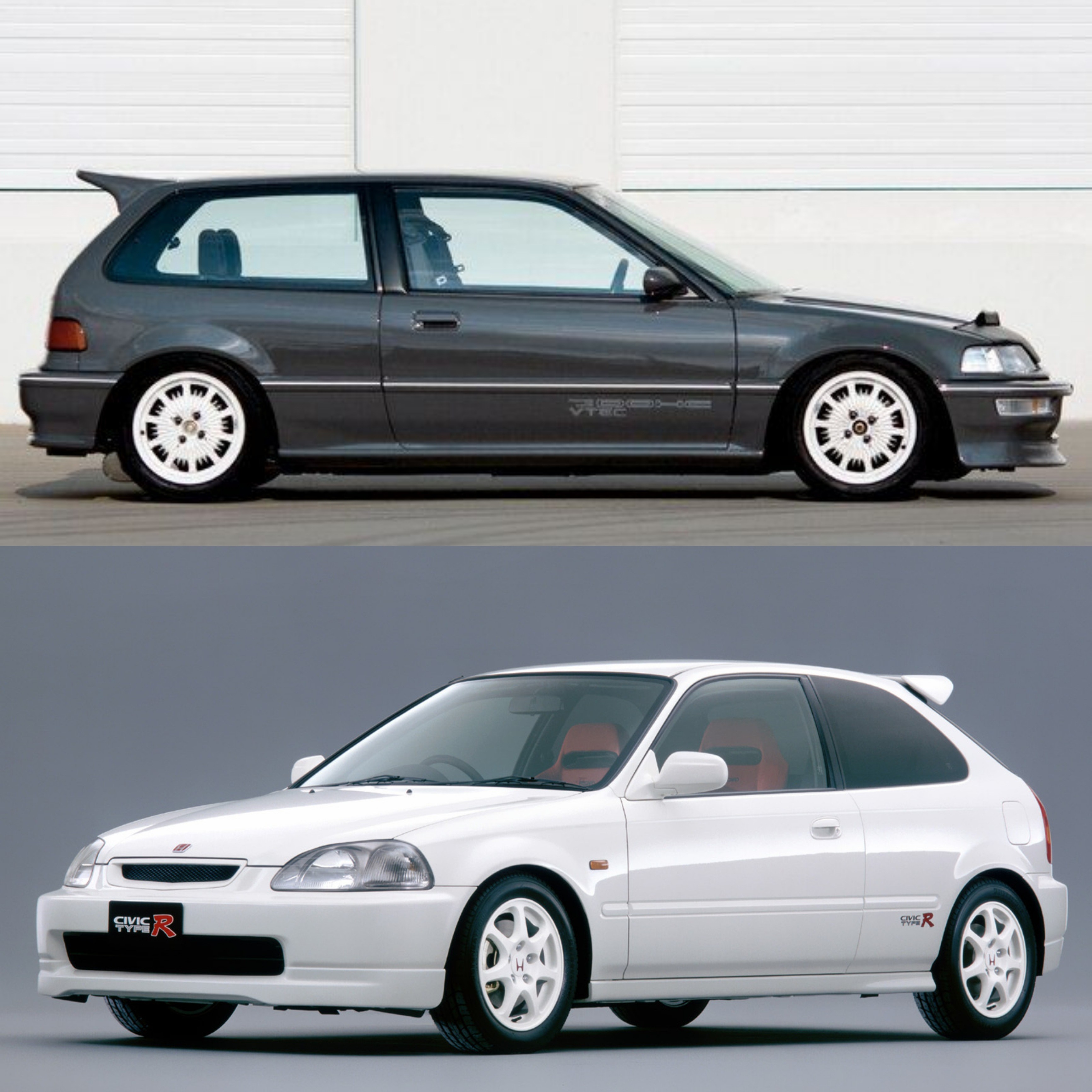
(Top) 1990 EF Honda Civic SIR (Bottom) 1997 EK Honda Civic Type R
Honda had introduced a clever system that can manipulate engine timing according to your driving, it’s called VTEC. This system revolutionised the motoring industry, in which car manufacturers can incorporate both performance and economy without compromise. Earlier versions of VTEC were aimed solely on performance. The Civic SIR (1989) was the first Civic to adopt this technology, but the most notable Civic that fully popularised the technology was the first generation Civic Type R (1997). The EK9 Civic Type R kick-started a lineage of superfast Civic hatchbacks.
MK4 Volkswagen Golf R32
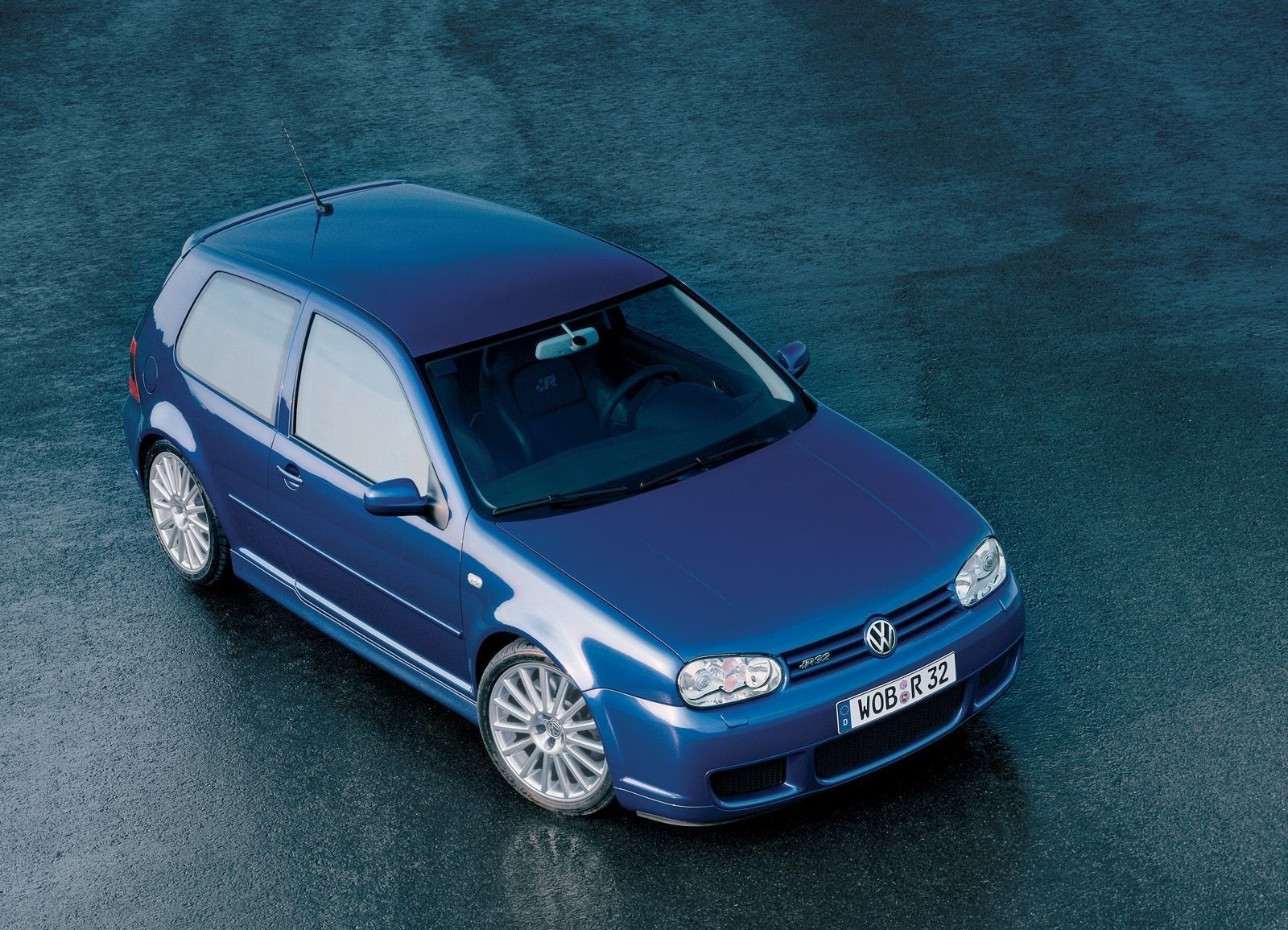
Of course Volkswagen had to be on the list for their innovative contribution. However their contribution is rather unusual, it is the first brand to incorporate an automatic transmission in a hot hatchback, specifically a double clutch automatic (DSG) which was also a world’s first.
The DSG transmission is one of a kind as compared to other automatics when it was released at the time, it offered instantaneous gear shifts while other conventional autos tend to delay when shifting. The MK4 VW Golf R32 (2004) was the first performance Golf to adopt the sophisticated transmission. VW’s decision was understandable, a small percentage of drivers could handle the power and traction of the R32 in manual form (241HP, 4WD and 0-100Km/h in 6.6 sec).
3. Golden Era
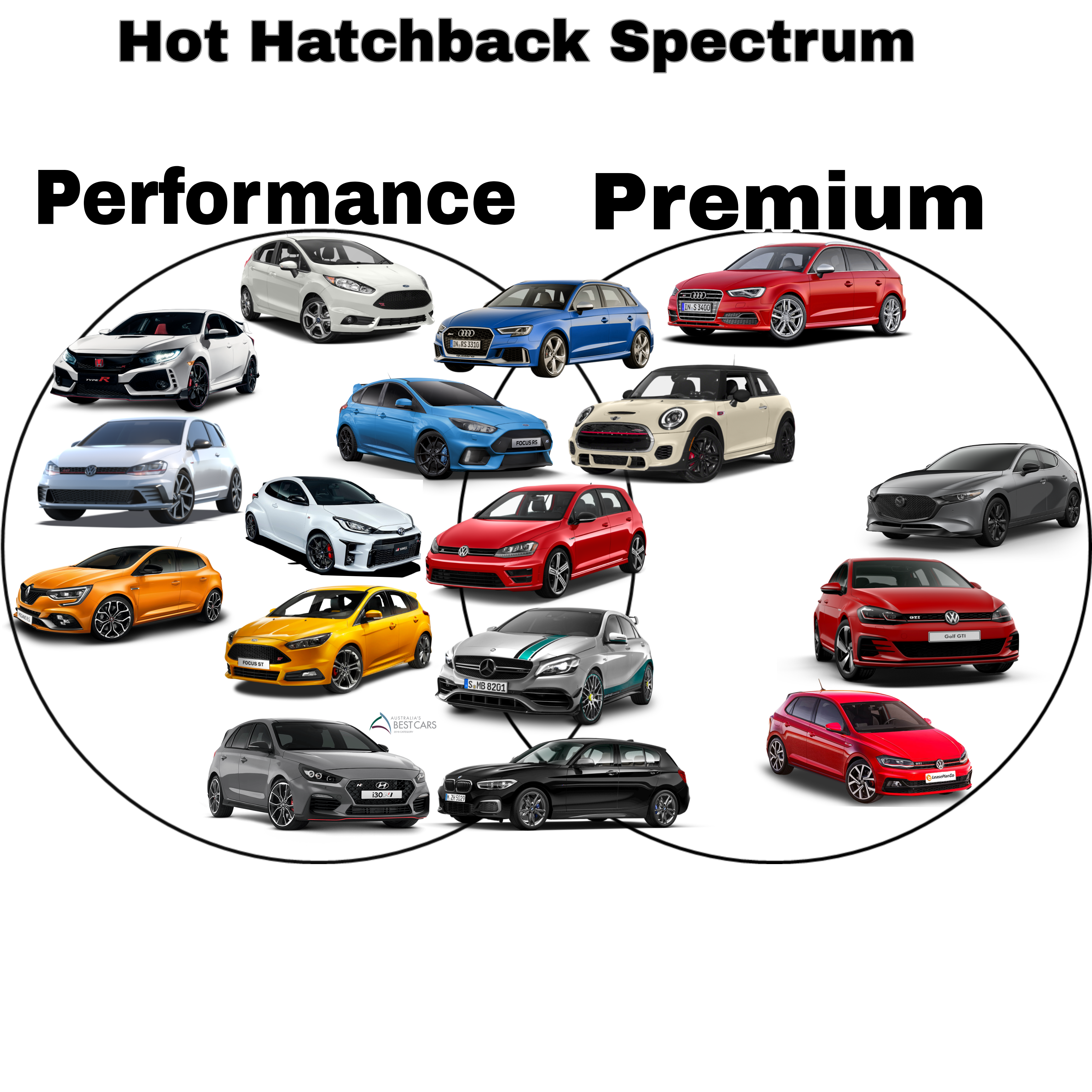
The image displays a Venn Diagram for the Hot Hatchback spectrum. The image was done by the UCO media team.
Arguably from the 2000s till today is what I consider to be the golden era of hot hatches. There are two reasons for this statement. Car manufactures had pushed their engineering limits which managed to create a perfect blend of performance, safety, fun factor and further technological innovation. Another reason is the fact that the hot hatchback segment has split itself into mainly two camps namely:
Premium Hot Hatchback
This category of Hot Hatchbacks focuses more on the luxury aspect such as an automatic gearbox, heated and cooled seats, high tech infotainment etc. A perfect example is Volkswagen, as mentioned earlier the Golf R32 was the first hot hatchback to feature an automatic gearbox. Volkswagen also transformed the Golf GTI (since the MK5) and its twin sibling the Audi S3 to be more upmarket. Today there is a sizable selection of premium hot hatchbacks on sale. However this is where purists believe that car manufacturers have lost the plot.
Performance Hot Hatchback
This category of Hot Hatchbacks focuses more on the performance oriented aspect, with little or no room for compromise with the aim of achieving a fun and fulfilling driving experience. These hot hatchbacks are capable of giving sportscars a run for their money, by offering similar level of performance coupled with a cheaper price tag and better practicality.
The brands that excel in this category is Renault, Ford and Honda with the Megane RS, Focus ST/RS, and Civic Type R respectively. The Megane RS had developed a reputation of achieving amazing lap times, most notably at the fabled Nurburgring. Ford had stuck with the tradition of offering Hot Hatchbacks in its purest form with the Focus ST/RS by extension the Fiesta ST. Honda has also stuck with the old hot hatch tradition for their flagship hatchback the Civic Type R.
Now, not all hot hatchbacks fit in one specific category, some can overlap both categories, for example the Audi RS3, Mercedes Benz A45 AMG and Volkswagen Golf R.
Now unto the million Rand question: have modern hot hatches really lost the magical essence that made the originals great? It depends, from a purist perspective, absolutely, a lot of hot hatchbacks on sale today have become safer and softer instead of being raw and unhinged like their predecessors. However from my perspective they still do maintain the hot hatch spirit. Sure tech, customer preference, safety and government regulation sucked out most of the fun. But they’re still overall enjoyable. With added safety and tech features plus affordability making them a better-rounded vehicle.
 unhealthycarobsession.car.blog